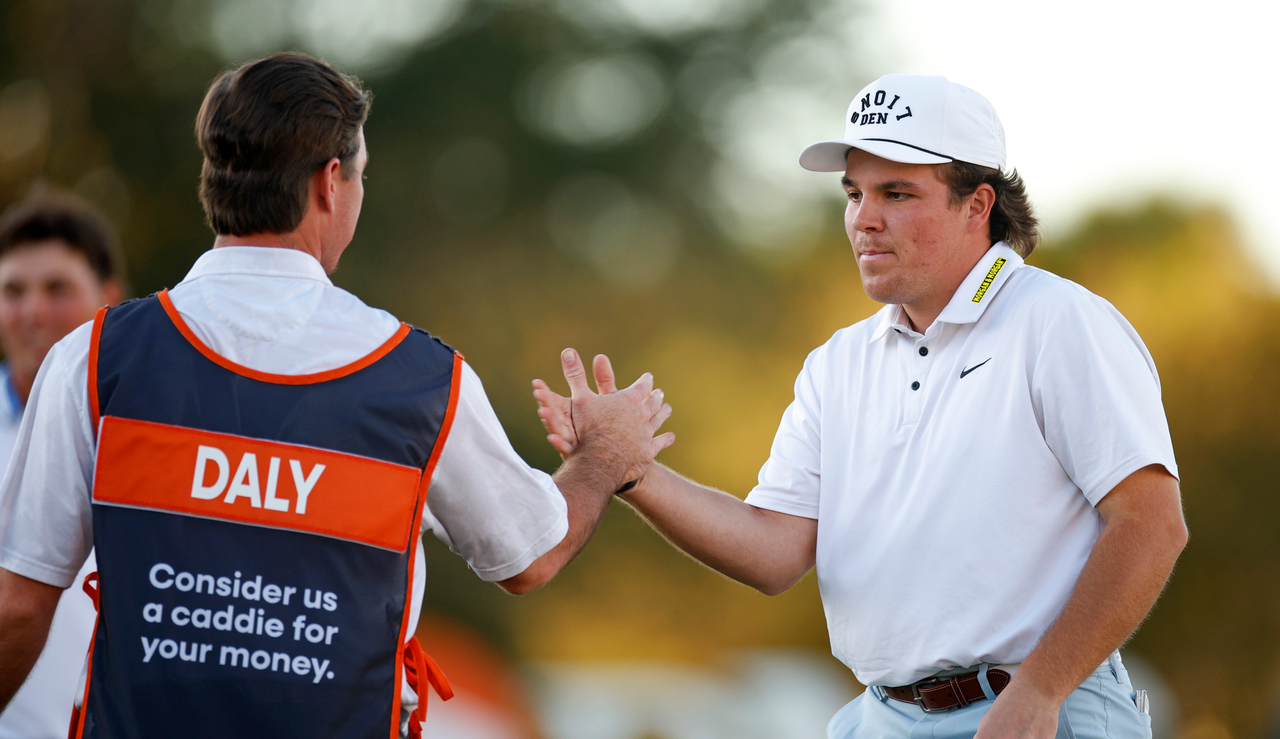

Professional golf caddies are far more than bag carriers. At the highest levels of the game, they are strategists, psychologists, travel coordinators, and sometimes even life coaches. For those who dream of walking the fairways of the world’s top courses alongside elite players, becoming a tour caddy can be a rewarding, though highly demanding, career.
What Does a Tour Caddy Do?
A professional caddy’s role goes well beyond handing clubs to a player. Responsibilities typically include:
• Course Management: Reading greens, assessing distances, factoring in wind, slope, and conditions, then helping the player decide on shot selection.
• Yardages & Data: Keeping meticulous yardage books and pin sheets, and knowing every angle of the course.
• Mental Support: Providing encouragement, managing the player’s emotions, and keeping them focused under pressure.
• Logistics: Handling travel arrangements, ensuring equipment is organised, and keeping practice schedules on track.
• Physical Demands: Carrying a heavy tour bag for 18–36 holes per day in varying weather conditions.
In short, caddies act as a trusted partner in the player’s success.
Training and Qualifications
Unlike many sports professions, there isn’t a single global governing body that certifies tour caddies. Entry is based more on skill, networking, and reputation than formal qualifications. That said, training and education can give aspiring caddies a strong advantage:
1. Golf Knowledge and Playing Experience
• Understanding the game is essential. Many caddies have a background as competitive amateurs, PGA professionals, or collegiate golfers.
• A single-figure handicap isn’t mandatory, but being able to think like a player is crucial.
2. Caddie Schools and Training Programs
• Several organisations (particularly in the US) run caddie training courses, such as the Professional Caddies Association (PCA), which offers certification in rules, etiquette, and professional standards.
• In the UK and Europe, caddie academies are more common at prestigious clubs like St Andrews or Wentworth, where aspiring caddies can gain practical experience.
3. Rules of Golf Certification
• Knowledge of the R&A and USGA Rules of Golf is essential. Completing a rules course or referee exam through the R&A, USGA, or a national golf body demonstrates professionalism.
4. First Aid and Fitness Training
• Many top caddies take first aid certification and maintain strong fitness levels, as the job can demand long days in hot, cold, or wet conditions.
Pathway to the Tour
Breaking into the professional tours is more about persistence and connections than qualifications:
1. Start Locally – Work as a caddy at private or resort clubs, where you’ll gain hands-on experience and build relationships with golfers.
2. Move to Mini Tours – Many aspiring tour pros compete on smaller regional tours. Offering your services here is a realistic entry point.
3. Network Relentlessly – Word of mouth is powerful. Being reliable, knowledgeable, and easy to travel with can open doors.
4. Work Up to Bigger Tours – From mini tours, you might progress to Challenge Tour, Korn Ferry Tour, LET Access, or similar feeder circuits, before reaching the PGA Tour or DP World Tour.
Lifestyle and Challenges
A professional tour caddy’s life is not glamorous. It often means:
• Constant Travel: Weeks away from home, living out of hotels.
• Uncertain Income: Most caddies earn a base weekly fee (£1,000–£2,000 on tour), plus a percentage of the player’s winnings (often 5–10%). If the player misses the cut, pay can be minimal.
• Pressure: Careers can be short if results aren’t delivered. Caddies are often let go after a run of poor finishes.
On the flip side, successful caddies for top players can earn six-figure incomes, travel the world, and experience golf at its highest level.
Final Thoughts
Becoming a professional tour caddy is less about formal qualifications and more about combining golf knowledge, people skills, resilience, and the right connections. If you’re passionate about the game, willing to put in long hours, and ready for a nomadic lifestyle, it can be one of the most exciting careers in golf.