
As the days become lighter and golf courses return to prime playing conditions, spring is the ideal time to prepare your golf buggy for regular use. After a period of winter storage, even well-maintained buggies benefit from a thorough inspection before heading back out onto the course.
In our view, spring preparation is essential rather than optional. A little time spent checking key components now can prevent inconvenient breakdowns, extend the life of your buggy, and ensure safe, reliable performance throughout the season.
Check the batteries.
The batteries are the most important part of any electric golf buggy and should always be your first priority.
Begin by visually inspecting the batteries under the seat:
- Look for corrosion around the terminals
- Check that all cables are secure and undamaged
- Ensure battery tops are clean and dry
For lead-acid batteries, check electrolyte levels and top up with distilled water if necessary. Fully charge the batteries before first use, as allowing them to sit partially charged over winter can shorten their lifespan.
Our advice is simple: if your buggy struggled for range last season, spring is when those issues tend to surface. Addressing battery concerns early avoids bigger problems later.
Inspect the tyres.
Tyres naturally lose pressure during long periods of inactivity, particularly over colder months.
You should:
- Inflate tyres to the manufacturer’s recommended pressure
- Inspect for cracks, flat spots, or uneven wear
- Ensure all tyres match in condition and size
Driving with under-inflated or worn tyres affects handling, braking, and battery efficiency. A quick tyre check makes a noticeable difference to how the buggy performs.
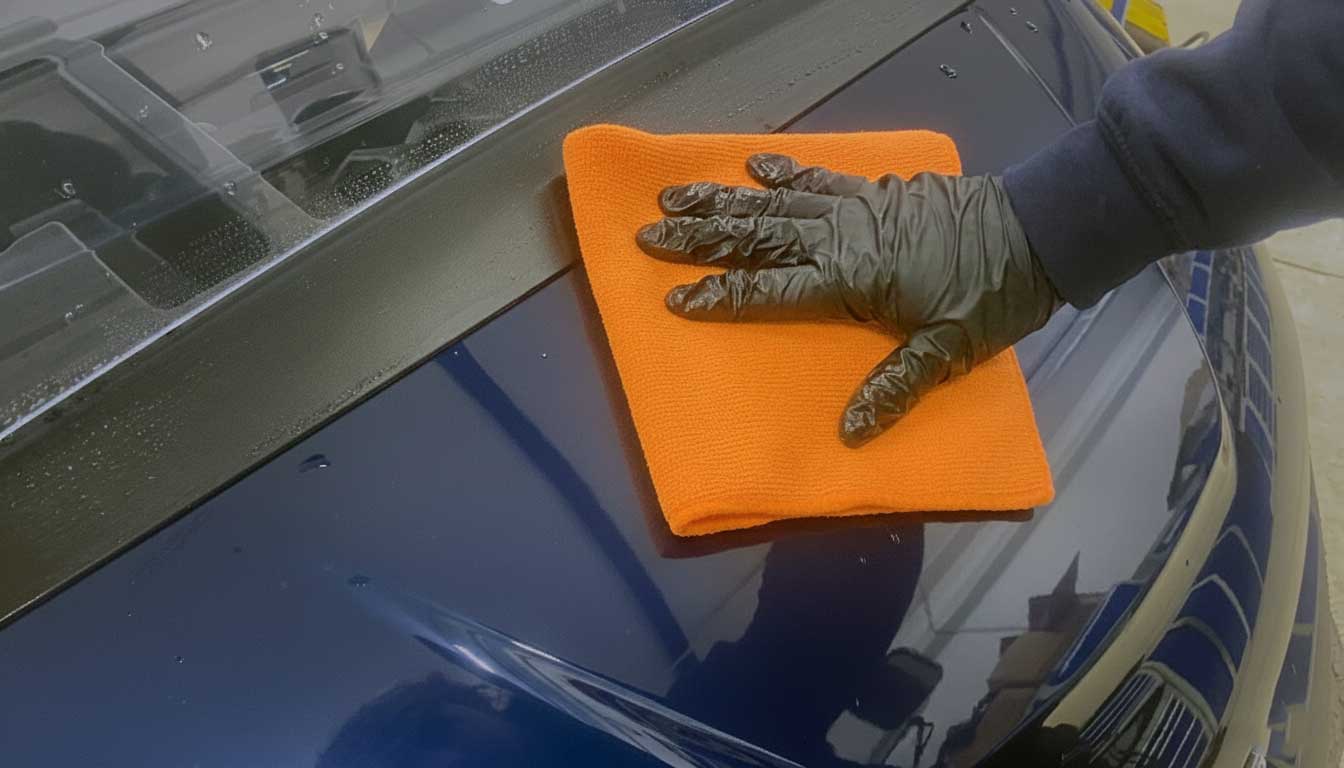
Clean away dirt and grime.
Even when stored indoors, golf buggies collect dust, moisture residue, and grime over winter.
A proper clean should include:
- Washing the bodywork with mild soap and water
- Cleaning wheels and wheel arches
- Removing debris from footwells and under seats
Avoid using high-pressure washers near electrical components. Cleaning is not just cosmetic; it helps reveal cracks, corrosion, or loose parts that might otherwise go unnoticed.
Inspect the bodywork.
Once clean, take time to assess the condition of the bodywork.
Look for:
- Cracks, chips, or stress marks
- Loose trims or panels
- Damage around roof supports and mounting points
Small issues often worsen once the buggy returns to frequent use. Catching them early keeps repair costs down and prevents further deterioration.
Tighten nuts and bolts.
Temperature changes and vibration can loosen fixings over time.
Pay close attention to:
- Wheel nuts
- Seat mounts
- Roof supports
- Steering and suspension components
Everything should feel solid, with no rattling or excessive movement. If something feels loose, it almost certainly needs attention.
Clean and check the windscreen.
A clear windscreen is essential for visibility and safety, particularly in bright spring conditions.
- Clean both sides using a non-abrasive cleaner
- Inspect for cracks, deep scratches, or clouding
- Check that any folding or hinged mechanisms operate smoothly
Poor visibility is easily overlooked but makes driving far less enjoyable and can become a safety issue.
In summary.
Preparing your golf buggy for spring does not need to be complicated, but it does need to be done properly. A thorough check now leads to fewer issues, better performance, and a far more enjoyable season ahead.
We strongly believe that a well-maintained buggy is not only more reliable but also more pleasurable to drive. If you are unsure about any aspect of spring preparation, or your buggy has not been serviced recently, professional support is always a sensible option.
A little effort now will pay dividends all season long.