
In golf operations, reliability and uptime are more than just buzzwords — they’re essential to delivering an exceptional experience. One decision that can drastically improve both is the choice of battery chemistry powering your golf buggy fleet. In this article, we’ll break down what “maintenance” really means in daily use, why many teams underestimate the real labour cost of battery care, and how modern lithium systems eliminate entire maintenance routines — saving time, money, and headaches.
What “maintenance” really means — day to day
When golf clubs talk about “battery maintenance,” they’re often referring to several recurring tasks that take staff time and attention:
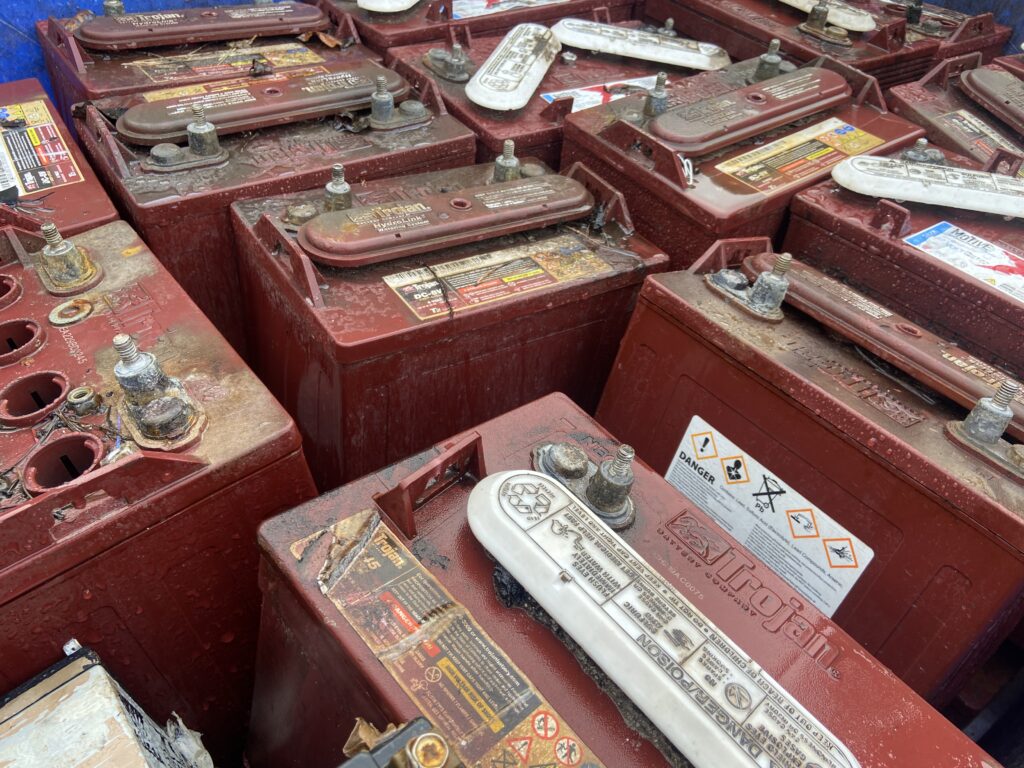
- Watering: Lead-acid batteries lose water through electrolysis each time they’re charged. Maintenance teams must regularly check and refill each cell — a task that is time-consuming and easily overlooked.
- Balancing: Batteries must be kept balanced — ensuring each cell maintains equal charge. Unbalanced batteries age faster and perform poorly.
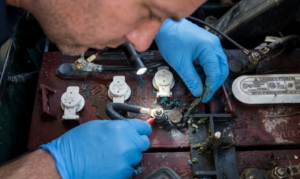
- Corrosion Control: Terminals and connectors on lead-acid batteries routinely develop corrosion from acid vapours, requiring cleaning and tightening.
- Voltage Monitoring: Over time, batteries suffer voltage drop, especially under heavy use. Monitoring each battery’s performance requires daily checks and data tracking.
These tasks aren’t once-a-week chores — they’re daily operational realities that demand time, tools, training, and care.
Why teams underestimate the labour cost of battery care
It’s one thing to say “our batteries need maintenance,” and another to quantify the actual cost of that labour. Many clubs significantly underestimate how much staff time is spent on battery care because:
- Time is fragmented: Watering and checking batteries might take only 5–10 minutes per buggy but multiplied across a fleet of 50–100 vehicles every day, that time adds up fast.
- Specialised training is needed: Improper watering or balancing risks battery damage. Staff must be trained to handle maintenance — adding labour costs and scheduling complexity.
- Reactive work is hidden work: When batteries fail unexpectedly, golf operators must drop other tasks to diagnose, charge, or service batteries — disrupting schedules.
- Indirect costs are real: Corroded terminals and poor maintenance accelerate component wear, which leads to earlier replacements and higher parts costs.
Many clubs mistakenly view battery upkeep as a “simple checklist” item — but the daily time, labour, and organisational cost is often many times higher than anticipated.
Lead-acid vs lithium: How modern systems remove maintenance entirely
Modern lithium-ion battery systems have changed the game — and here’s how:
- No watering…ever
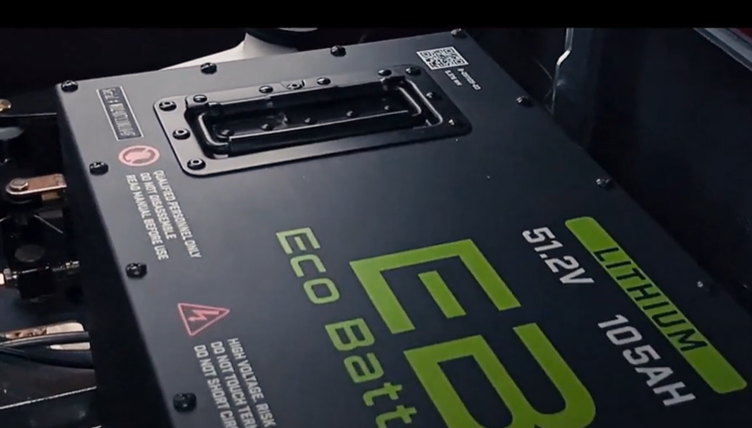
- Unlike lead-acid batteries, lithium batteries are sealed and do not require watering. There’s no acid, no water levels to check, and no electrolyte to manage — which eliminates one of the most time-intensive daily tasks.
- Minimal balancing needed
- Lithium systems are built with integrated battery management systems (BMS) that automatically balance cells electronically. This means no manual intervention or periodic cell equalisation is required — ever.
- No corrosion on terminals
- Lithium batteries don’t produce corrosive gasses. This results in cleaner terminals, fewer loose connections, and dramatically less time spent cleaning and maintaining hardware.
- Consistent voltage — longer, better performance
- Lithium batteries maintain stable voltage throughout the discharge cycle. This means better performance on the course and no slow-downs due to voltage sag. Because they don’t suffer the same voltage drop issues as lead-acid, clubs see fewer unexpected failures and less diagnostic time.
In practice, many of the traditional battery maintenance steps — watering, equalising, monitoring individual cells, terminal cleaning — are eliminated entirely with lithium.
The real ROI: Time, money, and peace of mind
When you convert your fleet to lithium batteries, the benefits don’t stop at reduced maintenance tasks:
- Lower labour costs: Staff are freed from daily battery chores and can focus on other operational priorities.
- Higher fleet uptime: Lithium batteries charge faster – and opportunistically like a mobile phone – so are ready for service sooner, reducing bottlenecks.
- Longer life span: Lithium batteries last significantly longer than lead-acid — making the total cost of ownership lower.
- Fewer replacements and parts costs: With no corrosion or cell imbalance, ancillary component wear is reduced.
For many golf clubs, the shift to lithium has meant real operational transformation. Rather than juggling battery checks and emergency charging sessions, maintenance teams can focus on what matters most — keeping buggies ready, reliable, and available for play.
Conclusion: Less maintenance, more efficiency
Battery maintenance is more than just a checklist item — it’s a daily operational burden that quietly absorbs staff time and budget. With modern lithium technology, clubs can eliminate the most labour-intensive aspects of battery care — saving hours every week and reducing long-term costs.
At Golf Car UK, we help clubs evaluate and transition to the right battery solution for their fleet. If your team is still spending time watering, balancing, or recharging lead-acid batteries — it might be time to discover how lithium can transform your golf buggy operations.