
Sustainability is no longer optional—it’s essential. With over 2,500 golf clubs across the UK, the industry has a unique opportunity to play a leading role in environmental stewardship. Transitioning to net zero carbon emissions not only reduces a club’s environmental impact but can also cut costs, attract eco-conscious members, and future-proof the game.
So how can golf clubs realistically achieve net zero? Here are the key areas to address.
Energy efficiency in clubhouses
Clubhouses are often the biggest source of emissions. Reducing energy use is the first step:
• Switch to LED lighting and motion sensors in all areas.
• Upgrade heating systems to efficient alternatives such as heat pumps.
• Improve insulation in walls, roofs, and windows to cut wasted energy.
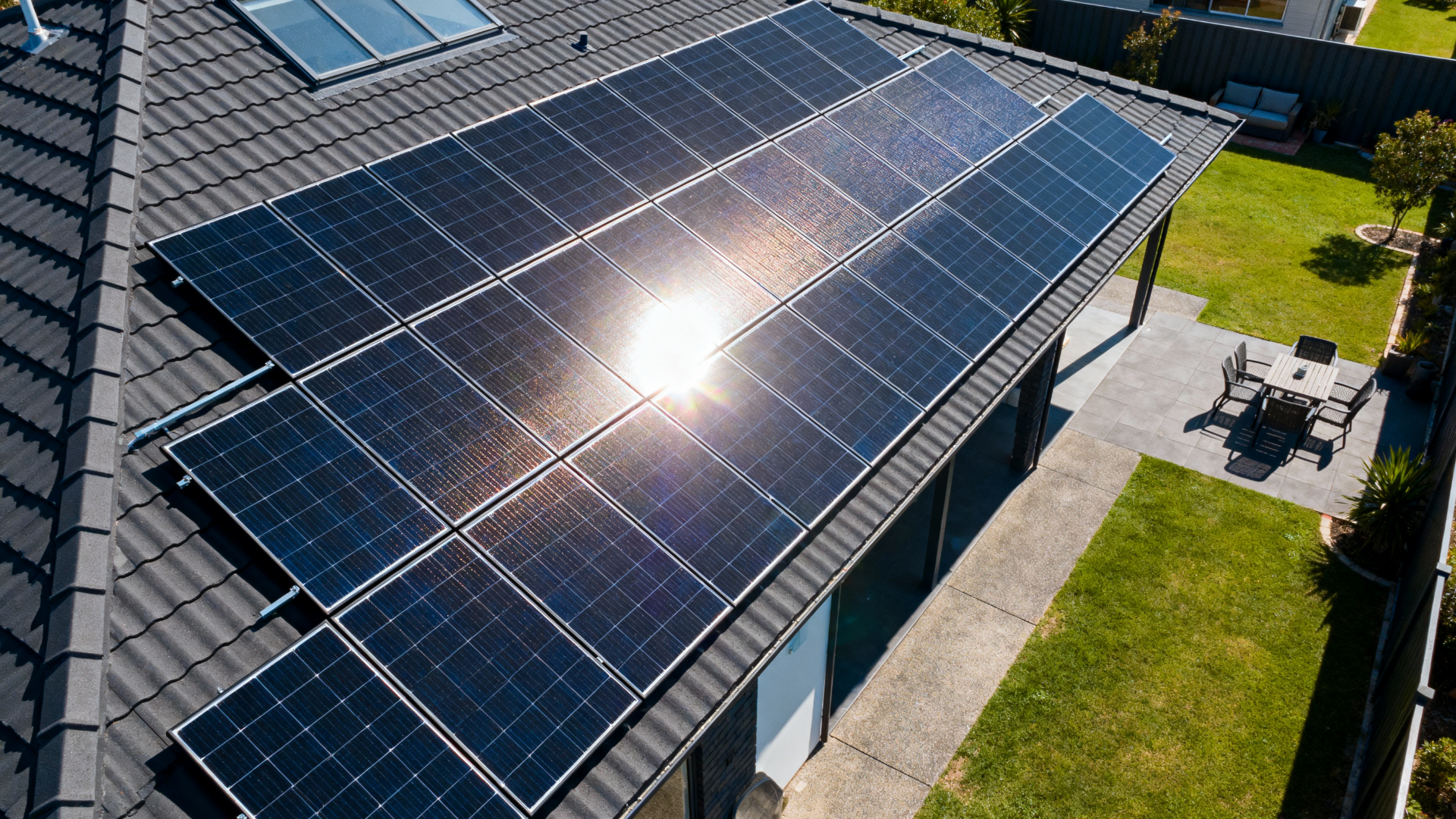
• Install renewable energy sources, such as solar panels or small-scale wind turbines, to generate on-site power.
Sustainable course maintenance
Golf courses are vast landscapes, and their upkeep can be resource-heavy. Smarter management can slash emissions:
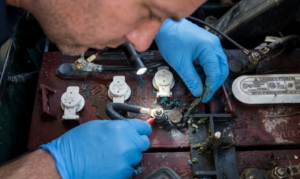
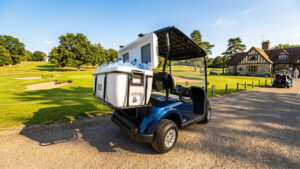
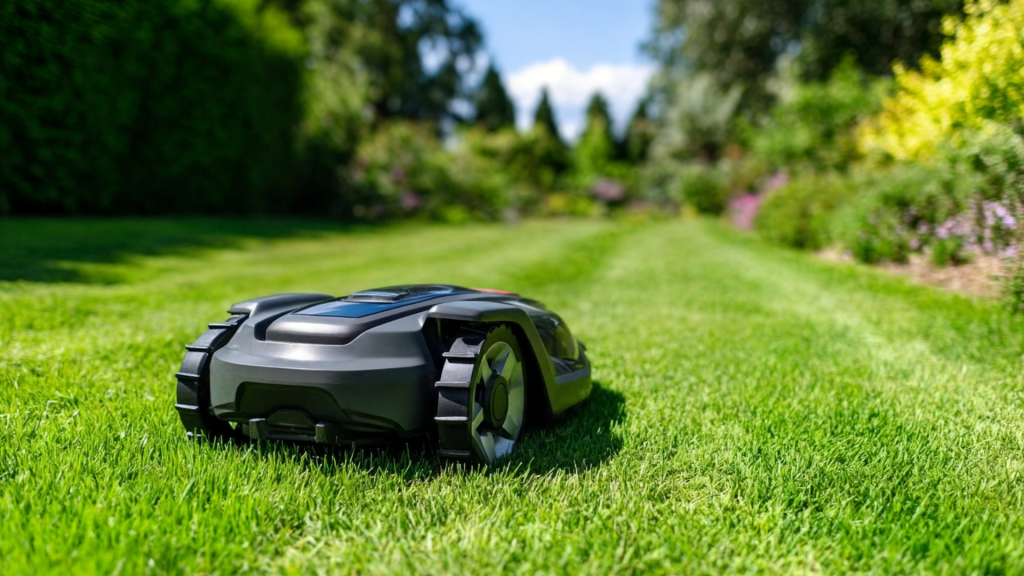
• Switch to electric or hybrid machinery for mowing, buggies, and maintenance vehicles.
• Reduce chemical fertilisers and pesticides, replacing them with organic treatments or natural alternatives.
• Use precision irrigation systems that monitor soil moisture to minimise water and energy waste.
• Create naturalised areas with wildflowers and roughs that need less mowing while improving biodiversity.
Rethink transport and travel
Visitor and member travel contributes significantly to a club’s carbon footprint. While clubs can’t eliminate travel, they can encourage lower-carbon options:
• Provide electric vehicle (EV) charging stations in the car park.
• Promote car-sharing schemes or partnerships with local transport providers.
• Offer incentives for cyclists, such as bike racks or discounts for those who travel sustainably.
Food and beverage sustainability
Catering operations are often overlooked but have a major environmental impact. Clubs can reduce emissions by:
• Sourcing local produce to cut transport miles.
• Reducing meat-heavy menus and offering more plant-based options.
• Minimising food waste with better portion control, composting, or donating surplus food.
• Eliminating single-use plastics, replacing them with reusable or biodegradable alternatives.
Waste reduction and recycling
A net zero strategy must include waste management:
• Implement comprehensive recycling facilities across the clubhouse and course.
• Compost grass clippings, leaves, and organic waste.
• Choose suppliers with sustainable packaging and practices.
• Set clear goals to reduce landfill waste year on year.
Offsetting and biodiversity
Even with the best efforts, some emissions are unavoidable. Clubs can offset these while boosting their environmental credentials:
• Tree planting programmes on unused areas of land.
• Habitat creation (ponds, hedgerows, bird boxes) to encourage biodiversity and capture carbon.
• Partner with certified carbon offset projects for any remaining emissions.
Member and community engagement
Sustainability works best when the whole club is involved:
• Educate members on the club’s sustainability initiatives.
• Encourage players to reduce plastic bottle use and walk the course instead of taking buggies.
• Host green golf days or eco-awareness events to showcase progress.
• Report annually on carbon reduction efforts to maintain transparency.
Use frameworks and partnerships
Clubs don’t have to do this alone. Several organisations support sustainable golf:
• GEO Foundation for Sustainable Golf – offers certification and guidance.
• England Golf’s sustainability initiatives – resources for clubs nationwide.
• Government grants – available for renewable energy installations and EV charging points.
Final thoughts
Becoming a net zero golf club is not an overnight transformation—it’s a journey. By tackling energy, course management, transport, catering, waste, and community engagement, UK golf clubs can make real progress towards a greener future. The rewards go beyond reducing emissions: lower operating costs, improved biodiversity, stronger community reputation, and a legacy of sustainability for generations of golfers to come.
The message is clear: the time to act is now. Net zero isn’t just good for the planet—it’s good for golf.